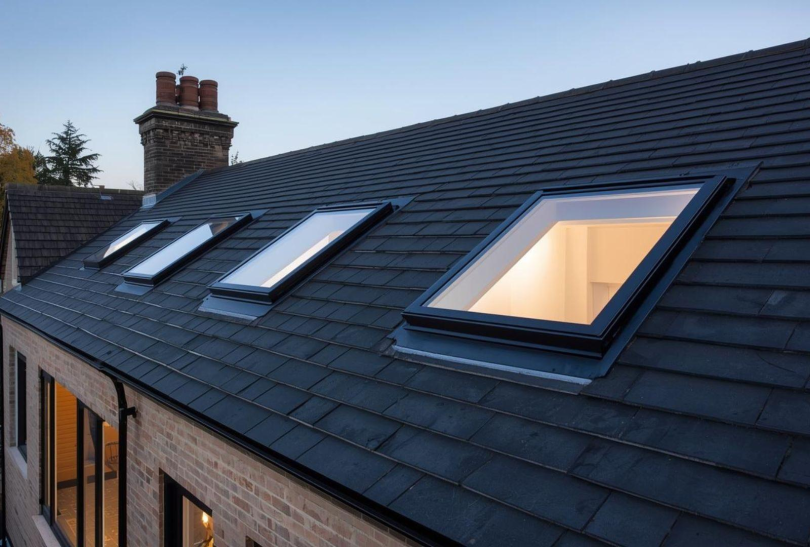

Natural daylight can change the character of an attic, loft, extension, or upper-floor room. A dark space may feel closed in, while a well-positioned roof window can make it brighter, more comfortable, and easier to use throughout the day. For homes and buildings with sloping roofs, roof glazing offers a practical way to bring daylight in without taking up valuable wall space.
Choosing rooflights for pitched roof applications requires more than selecting a suitable size. Roof angle, glazing type, ventilation, insulation, positioning, and installation all affect the final result. Understanding these factors makes it easier to choose a rooflight that suits both the building and the room below.
Why Pitched Roofs Benefit From Natural Light
Pitched roofs create useful opportunities for overhead glazing because the roof surface naturally faces the sky. A rooflight can capture daylight from above and distribute it into areas that may have limited access to windows.
This can be particularly useful in loft conversions, stairwells, home offices, bedrooms, kitchens, and extensions. Adding daylight can also reduce the need for artificial lighting during daylight hours.
The position of the rooflight matters. A unit installed higher on the roof may spread light across a larger section of the room, while a lower installation can provide stronger views of the surrounding area. The size and number of units should be considered alongside the room’s dimensions and purpose.
Understanding Roof Pitch
The pitch of a roof refers to its angle or slope. Different rooflights are designed for particular pitch ranges, so compatibility should be checked before purchase.
A rooflight designed for a steep roof may not be suitable for a shallow slope without the correct installation system. Manufacturers normally provide pitch specifications and installation requirements for each model.
Roof construction also matters. Rafters, battens, roofing materials, and the available space between structural members can affect the installation process. Measuring the opening carefully before ordering can prevent costly alterations later.
For older properties, the existing roof structure should be inspected before work begins. Structural changes may require professional assessment, especially where rafters need to be altered.
Fixed or Opening Rooflights?
Fixed roof glazing remains closed and is primarily designed to provide daylight. It can be a straightforward choice for rooms that already have sufficient ventilation through windows or mechanical systems.
Opening models provide an additional ventilation option. They can be useful in bedrooms, kitchens, bathrooms, and loft spaces where warm air tends to collect near the ceiling.
For anyone comparing fixed skylights for pitched roof, factors such as glazing performance, frame material, weather resistance, and installation method should be considered rather than focusing only on appearance.
Fixed units can also have fewer moving parts, which may make them suitable for areas where ventilation is not a priority. Opening rooflights, on the other hand, offer greater flexibility but require hardware that needs to remain in good working condition.
Choosing the Right Glazing
Glazing has a major effect on comfort and energy performance. Modern rooflights are available with different glass specifications, including double and triple glazing.
Low-emissivity coatings can help reduce heat transfer through the glass. This can be useful in rooms that become cold during winter or receive significant solar exposure during summer.
Safety is another consideration. Roof glazing should use suitable safety glass or glazing systems designed for overhead applications. The correct specification depends on the location, roof design, and relevant building requirements.
The frame also contributes to overall performance. Materials with good thermal properties can reduce cold areas around the edge of the rooflight and help maintain a more consistent indoor temperature.
Rooflight Size and Placement
A larger rooflight does not automatically produce the best result. Excessive glazing may increase heat gain, glare, or heat loss depending on the building’s orientation and specification.
Several smaller units can sometimes distribute daylight more evenly than one large opening. Placement should also take furniture and room layout into account.
For example, a rooflight positioned above a work area can provide useful daylight for reading or computer work. In a kitchen, positioning may be influenced by cupboards, worktops, and ceiling height.
For properties searching for fixed roof lights for pitched roof, planning the dimensions and location before installation can help avoid awkward structural adjustments.
Energy Efficiency and Indoor Comfort
Roof glazing should be assessed as part of the whole roof rather than as an isolated feature. A well-insulated roof with poorly performing glazing can still experience unwanted heat transfer.
Look for information about U-values, solar-control properties, air permeability, and glazing performance. These specifications provide a clearer picture of how the product may perform than appearance alone.
Solar gain can be useful during colder months but may create overheating during summer. Orientation is therefore worth considering. Rooflights facing areas with strong direct sunlight may benefit from blinds, solar-control glazing, or external shading.
Ventilation can also affect comfort. Opening rooflights can help release warm air that rises naturally, although they should complement rather than replace an appropriate ventilation strategy.
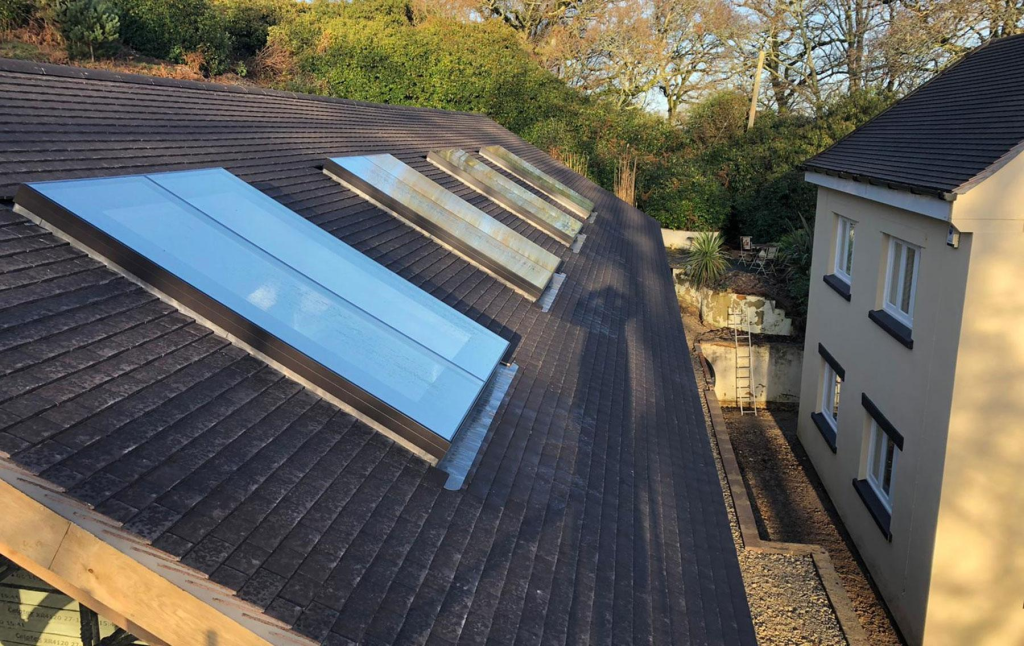
Comparing Different Rooflight Styles
There are several designs available for sloping roofs, ranging from simple fixed units to roof windows with opening mechanisms and specialist glazing systems.
Traditional roof windows may provide both daylight and an outside view. Flat or low-profile rooflights can offer a more discreet appearance, depending on the roof design.
When comparing skylights for pitched roofs, check the product’s compatible roof materials, pitch range, flashing requirements, glazing specification, and maintenance needs.
Appearance should also complement the existing property. A contemporary rooflight may suit a modern extension, while a more traditional frame can work better with an older building.
Installation and Weatherproofing
Correct installation is essential for long-term performance. Even a high-quality rooflight can develop problems if flashing, seals, or surrounding roofing materials are installed incorrectly.
Flashing creates a weatherproof connection between the rooflight and roof covering. Its design should match the roof material and pitch. Installation should follow the manufacturer’s instructions, particularly around flashing, insulation, drainage, and internal finishing.
Poor installation can result in water ingress, drafts, condensation, or damage to surrounding materials. Professional installation may therefore be appropriate where structural alterations or complex roofing details are involved.
Maintenance Requirements
Rooflights generally require routine inspection rather than extensive maintenance. Glass should be kept clean where accessible, while seals, frames, flashing, and surrounding roof materials should be checked periodically.
Condensation can occur when warm, moist indoor air meets a cold surface. Good ventilation and appropriate insulation can help manage this issue.
External debris such as leaves, moss, or dirt should not be allowed to accumulate around drainage channels. Any visible cracking, damaged seals, or signs of water penetration should be investigated promptly.
Making a Practical Choice
The right rooflight depends on the building, roof structure, room function, and desired level of daylight. Start by checking the roof pitch and available installation space. Then compare glazing, thermal performance, ventilation options, dimensions, and compatibility with the existing roof covering.
The budget should include more than the purchase price. Installation, structural work, flashing, insulation, internal finishing, blinds, and future maintenance can all affect the total cost.
A carefully selected rooflight can provide useful daylight while fitting naturally into the existing roof design. Taking time to compare technical specifications and installation requirements helps create a result that remains practical for years.
For homeowners and property professionals researching skylights on pitched roofs, the strongest choice is one that balances daylight, thermal performance, ventilation, appearance, and compatibility with the roof structure. Good planning at the beginning can make installation simpler and help the finished space feel brighter without compromising the roof’s weather protection.