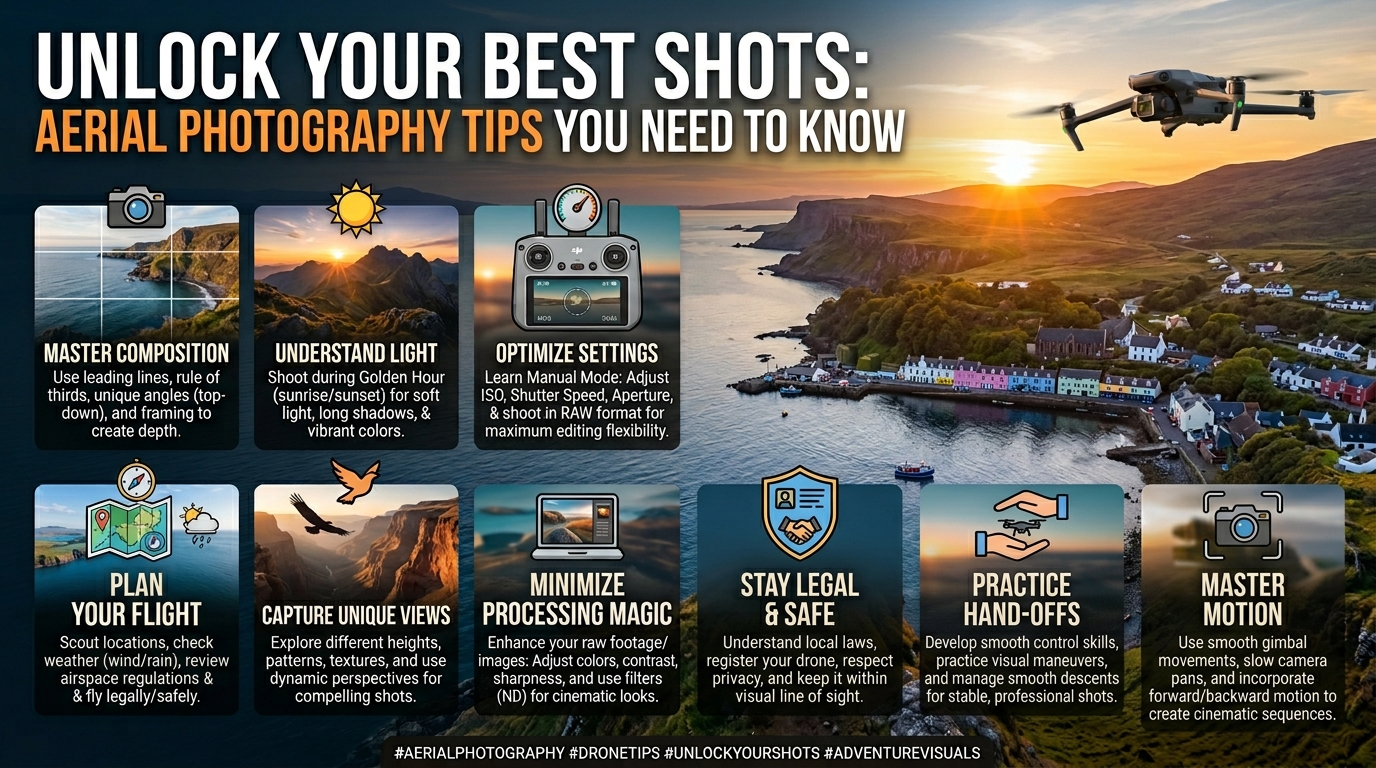

Aerial photography has become one of the most exciting creative fields in 2026, thanks to the rise of affordable drones and advanced camera technology. From travel creators to professional filmmakers, everyone is using aerial shots to capture unique perspectives that were once impossible. However, getting truly stunning aerial images requires more than just flying a drone. It demands understanding composition, timing, lighting, and camera control to produce visually powerful results.
Understanding Composition from the Sky
Composition is the foundation of any great photograph, and it becomes even more important in aerial photography. Unlike ground photography, aerial shots offer a bird’s-eye view that changes how subjects are framed and perceived.
Using techniques like the rule of thirds, leading lines, and symmetry helps create balanced and visually appealing images. Roads, rivers, and coastlines naturally form leading lines that guide the viewer’s eye through the frame.
Mastering Light and Time of Day
Lighting plays a crucial role in aerial photography. The best time to shoot is usually during golden hour, which occurs shortly after sunrise and before sunset. During this time, the light is soft, warm, and creates long shadows that add depth to your images.
Midday light can be harsh and reduce image quality due to strong shadows and overexposure. Learning to work with natural light helps you capture more cinematic and professional-looking aerial shots.
Choosing the Right Drone Settings
Camera settings directly affect the quality of aerial photographs. Using manual settings instead of automatic mode gives you more control over exposure, ISO, and shutter speed.
A lower ISO helps reduce noise, while adjusting shutter speed ensures sharper images, especially when capturing moving subjects like water, traffic, or wildlife. Proper calibration improves overall clarity and detail.
Stability and Smooth Flight Control
Stable flight is essential for capturing sharp aerial images. Sudden movements or unstable hovering can ruin composition and cause blurry shots.
Modern drones come with GPS stabilization and intelligent flight modes that help maintain steady positioning. Practicing smooth control movements ensures better framing and professional-quality results.
Exploring Unique Perspectives
One of the biggest advantages of aerial photography is the ability to capture perspectives that are impossible from the ground. Experimenting with different heights and angles can dramatically change the visual impact of an image.
Top-down shots are great for patterns and symmetry, while angled shots help create depth and storytelling elements within the frame.
Using Weather Conditions Creatively
Weather can significantly enhance or transform aerial photography. Clouds, fog, and even rain can add mood and atmosphere to your shots.
Windy conditions should be avoided for stability, but soft cloud cover can help diffuse sunlight and create more balanced lighting. Learning to adapt to weather conditions improves creativity and flexibility.
Post-Processing and Editing Techniques
Editing is an important part of aerial photography. Even well-captured images can be improved through color correction, contrast adjustment, and sharpening.
Software tools help enhance details, correct exposure issues, and bring out the natural beauty of landscapes. However, it is important to avoid over-editing to maintain realism.
Planning Your Flight Before Shooting
Successful aerial photography often starts with planning. Checking maps, identifying interesting locations, and understanding airspace rules ensures safe and effective shooting.
Pre-visualizing your shots helps you save battery life and focus on capturing the best possible angles during flight.
Safety and Legal Considerations
Flying drones for photography requires awareness of local laws and safety guidelines. Many regions have restrictions on altitude, no-fly zones, and privacy regulations.
Following these rules ensures safe operation and avoids legal issues while protecting people and property on the ground.
Developing Your Personal Style
As you gain experience, developing a unique style becomes important. Some photographers focus on landscapes, while others prefer urban patterns or cinematic storytelling.
Consistency in framing, color tone, and subject choice helps create a recognizable photographic identity over time.
FAQs
What is aerial photography
It is photography taken from an elevated position using drones or aircraft
When is the best time for aerial shots
Golden hour during sunrise or sunset provides the best lighting
Do I need manual settings for drone photography
Yes manual settings give better control over image quality
How do I keep drone shots stable
Use GPS stabilization and smooth control movements
Is editing necessary for aerial photos
Yes editing helps enhance colors, contrast, and details
Conclusion
Aerial photography offers endless creative possibilities for capturing the world from a new perspective. By mastering composition, lighting, drone control, and editing techniques, you can significantly improve the quality of your shots. With practice and creativity, anyone can unlock stunning aerial images that stand out in 2026’s visual-driven digital world.